Find the right supplier
Identify manufacturers, component specialists and production partners that fit the required technical, operational and commercial model.
Explore Supplier SourcingEngineering-led. China-focused. Built for technical sourcing.
Yana helps robotics companies define sourcing requirements, identify capable suppliers and qualify components and production partners through structured technical evaluation and on-the-ground support in China.
Robotics sourcing usually fails before the purchase order—when specifications, supplier capability and production risks have not been made explicit. Yana structures these decisions before commitment.
Identify manufacturers, component specialists and production partners that fit the required technical, operational and commercial model.
Explore Supplier SourcingDefine component parameters, compare supplier options and qualify actuators, reducers, motors, controllers, sensors and vision systems.
Explore Component SourcingEvaluate factory capability, validate samples and establish the process controls needed to move from prototype builds into stable production.
Explore Production SupportA structured path from requirement definition to production support, built around comparable evidence rather than supplier claims or catalogue matching.
Define the application, operating environment, interfaces, performance thresholds, compliance constraints and expected production volume.
Map OEMs, ODMs, component manufacturers and integrators against the required supplier and production model.
Evaluate process capability, engineering resources, testing, quality controls, capacity and commercial fit using a consistent evidence model.
Validate performance, integration, quality and production readiness before committing to tooling or volume orders.
Maintain visibility over pilot builds, quality issues, engineering changes, corrective actions and production ramp.
Yana converts an open-ended supplier search into structured sourcing assets that engineering and procurement teams can review, compare and act on.
A structured definition of application conditions, critical parameters, interfaces, constraints and acceptance criteria.
A mapped universe of relevant manufacturers, specialists and alternative supply routes.
Comparable evidence covering technical capability, processes, quality systems, capacity and commercial fit.
Normalized quotation and specification comparisons that expose assumptions, exclusions and cost drivers.
Documented technical, supplier, quality, dependency and destination-market risks.
A practical route through samples, testing, pilot production and release to volume.
Yana supports sourcing across motion, control, sensing and mechanical subsystems, with qualification based on application parameters rather than product-category matching alone.
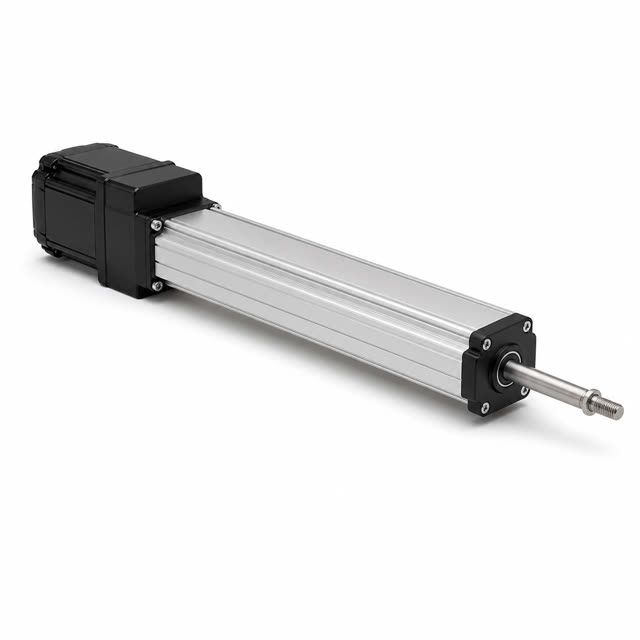 Actuators
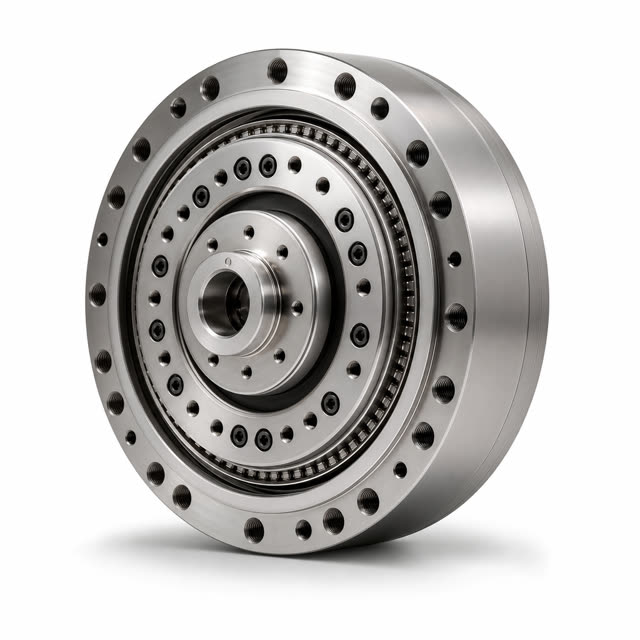 Harmonic reducers
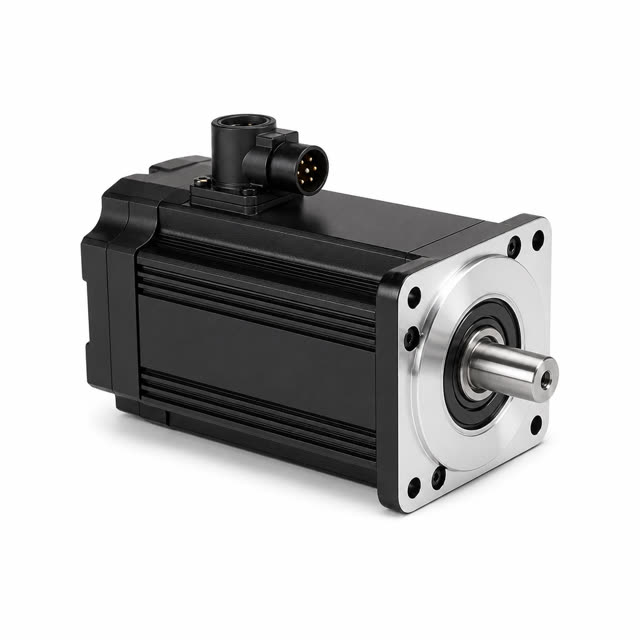 Servo motors
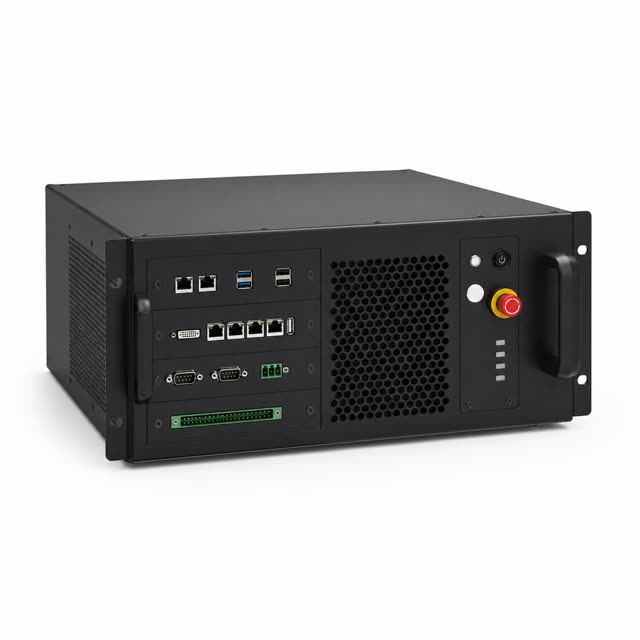 Robot controllers
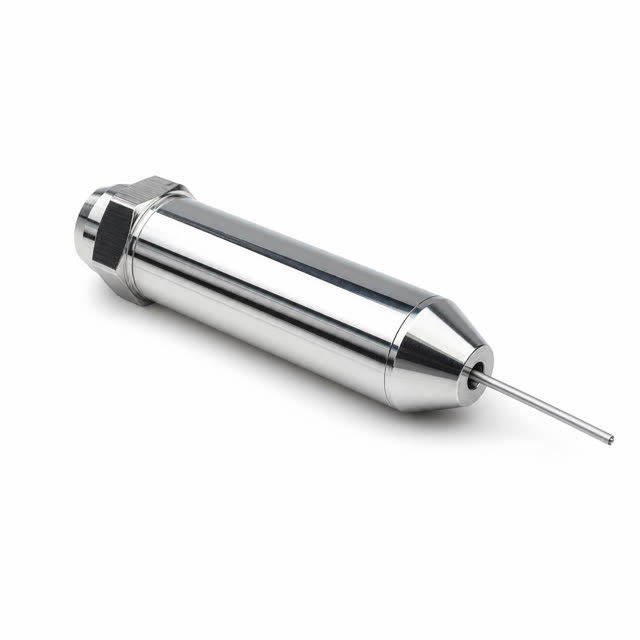 Sensors
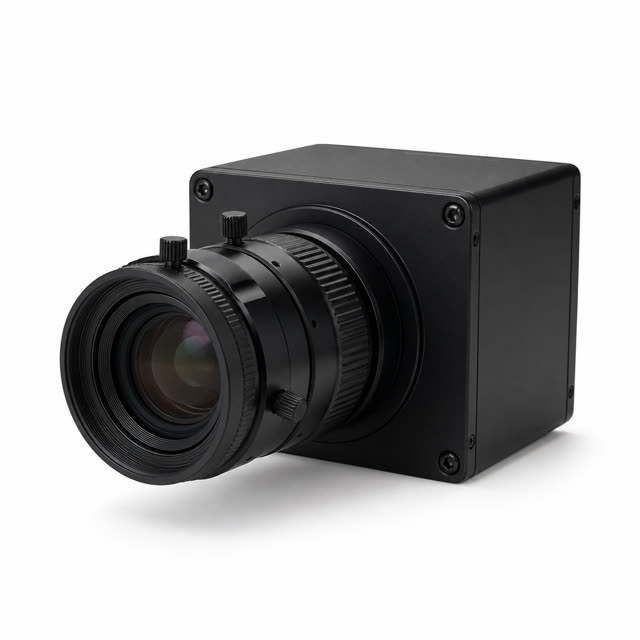 Machine vision
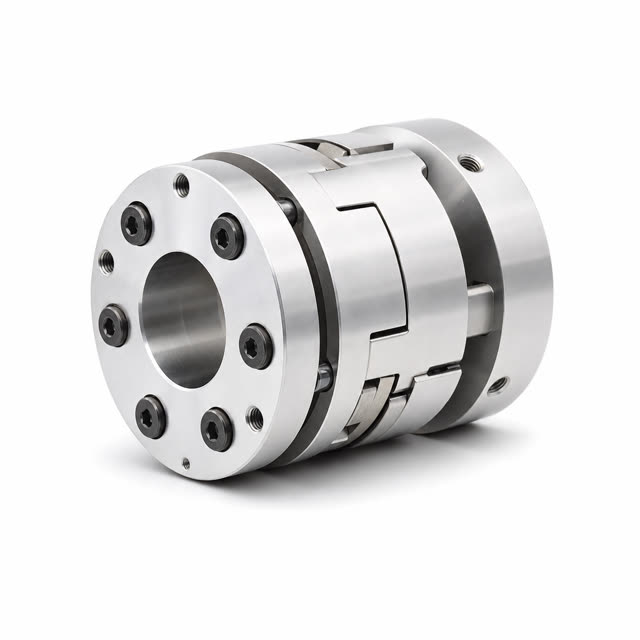 Precision mechanical components
A supplier appearing capable is not the same as a supplier being ready for the project. Yana evaluates the evidence behind the claim: equipment, engineering resources, process controls, test capability, traceability, capacity and response to change.
Research and operating frameworks for robotics suppliers, components, manufacturing and supply-chain risk.
Understand manufacturer categories, supplier models and the structure of the robotics production ecosystem.
Explore Supplier GuidesReview sourcing parameters, interfaces, trade-offs and supplier qualification considerations for critical robot components.
Explore Component GuidesExamine factory capability, prototype-to-production transitions, quality systems and supplier qualification.
Explore Manufacturing GuidesEvaluate dependency, alternatives, cost structure and regulatory exposure before supplier commitment.
Explore Supply-Chain GuidesYana combines technical requirement analysis with China-side supplier research and production support. The role is not simply to identify factories, but to make supplier capability, assumptions and risks visible before engineering and commercial commitments are made.
Built for Robotics Sourcing Decisions
Yana supports teams evaluating robotics suppliers, critical components, prototype manufacturing and production readiness in China.
Share the product, component, technical requirement or production challenge. Yana will help structure the requirement, supplier landscape and next qualification steps.
Drawings, specifications and existing supplier information can be included in the inquiry.